
Extreme bodybuilding is a trend that has existed throughout the history of humanity, demonstrating our fascination with sculpting and transforming the human physique. In contemporary times, bodybuilders and sumo wrestlers engage in rigorous training and adhere to specialized dietary regimens to achieve remarkable physical transformations. One noteworthy figure in the world of sumo wrestling was Emmanuel Yarbrough, who, at his peak during the 1990s and early 2000s, weighed over 800 pounds (360 kg), making him the heaviest sumo wrestler ever recorded.
However, the pursuit of muscularity and physical strength is not exclusive to modern times. Even in ancient civilizations, there was a profound emphasis on developing the male body through muscle building. In various ancient societies, such as ancient Greece and Rome, the ideal male physique was considered a reflection of strength, power, and beauty. Athletes, warriors, and gladiators devoted themselves to intense physical training and participated in competitive events to showcase their muscular prowess.
Ancient Greek civilization, in particular, placed significant importance on the male body and its aesthetic representation. Sculptures and artworks from this era, such as the famous statue of the Discobolus (Discus Thrower), exemplify the admiration for the human form and muscularity. Greek athletes participated in Olympic Games and other athletic competitions to display their physical abilities, striving to achieve perfection in both form and strength.
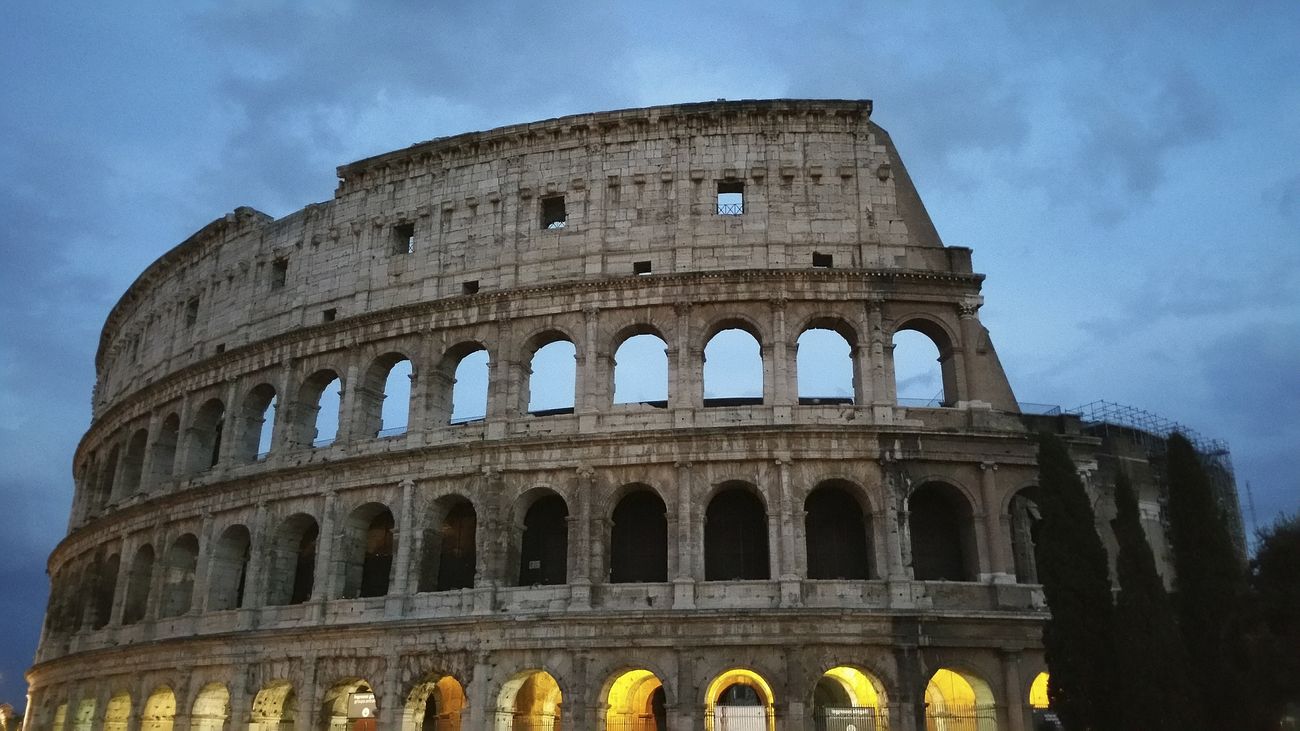
Similarly, in ancient Rome, the development of the male body held great significance. The Roman Empire celebrated the physical prowess of its soldiers and gladiators, who underwent rigorous training to exhibit their strength and combat skills. The colosseums and arenas of ancient Rome witnessed grand spectacles where muscular men engaged in battles, entertaining the masses while embodying the idealized masculine physique.
A strange belief is however reported from ancient Rome…
The ancient Roman ate the tongues of peacocks. We know that. But they had much more peculiar tastes.
Between the first and sixth centuries, various theological and medical authors documented accounts of using gladiators’ blood or liver as a remedy for epilepsy or for fertility issues.
The belief in the sacred or curative properties of a slain gladiator’s blood can be traced back to Etruscan funeral rituals. While the religious significance waned during the Roman Republic, the magical usage of gladiators’ blood persisted for centuries. Following the prohibition of gladiatorial combat around 400 AD, an executed individual, especially if decapitated, became the recognized substitute for a gladiator.
References to this ancient magical practice can be found in sporadic mentions within early modern medical textbooks and popular literature of the 19th and early 20th centuries, indicating its persistence until modern times. It is likely that the occasional spontaneous recovery of certain types of epilepsy contributed to the perception of therapeutic efficacy and the supportive comments from physicians regarding this remedy.
 Archaeology Mysteries
Leave a comment