A journey across the sea to an unknown continent must have seemed as adventurous to Europeans of the late Middle Ages as a journey to Mars does today. The chance of returning alive was slim, and the sacrifices required were great. Nevertheless, daring sailors such as Vasco Da Gama, Magellan, and Columbus set out into the unknown, accompanied by thousands of sailors, soldiers, priests, and helpers whose names are buried deep in the archives, if they are known at all.
Despite the mostly brutal actions of the conquerors, their history still inspires admiration today. One of the earliest traces of their daring can be found in the Dominican Republic, but it is highly threatened by erosion and decay.
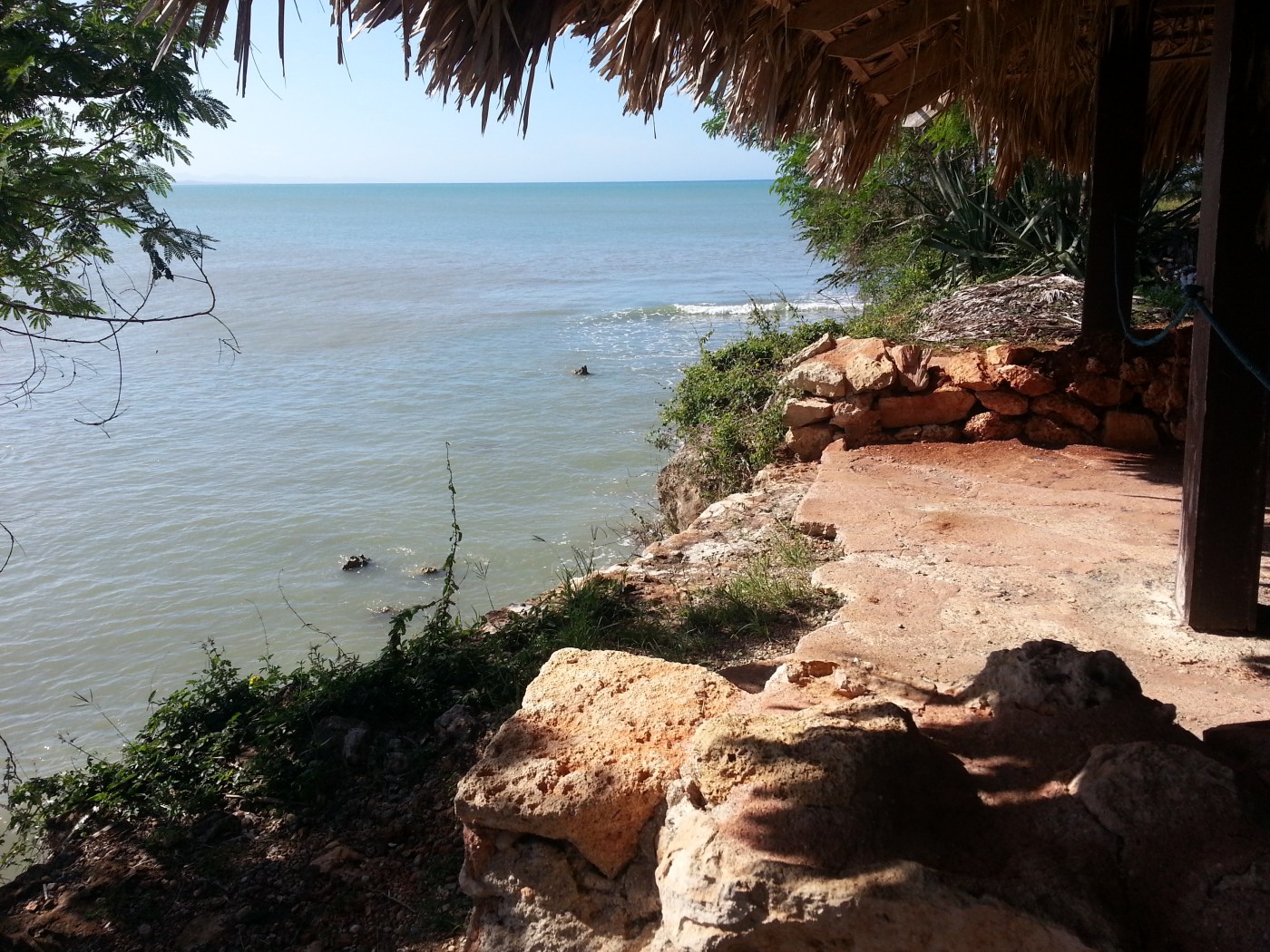
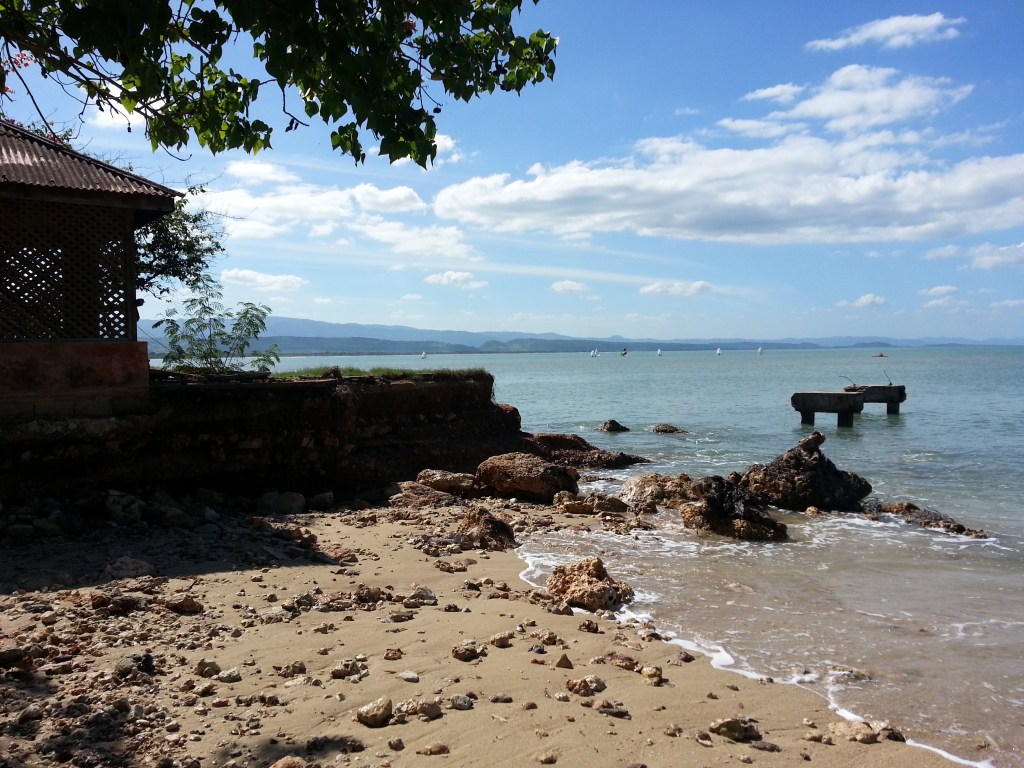
This settlement, La Isabela, was once the first European city on American soil. Christopher Columbus founded it on the north coast of Hispaniola Island after finding the small fort, in which he had left the crew of his stranded ship Santa Maria on his first very modest voyage, destroyed.
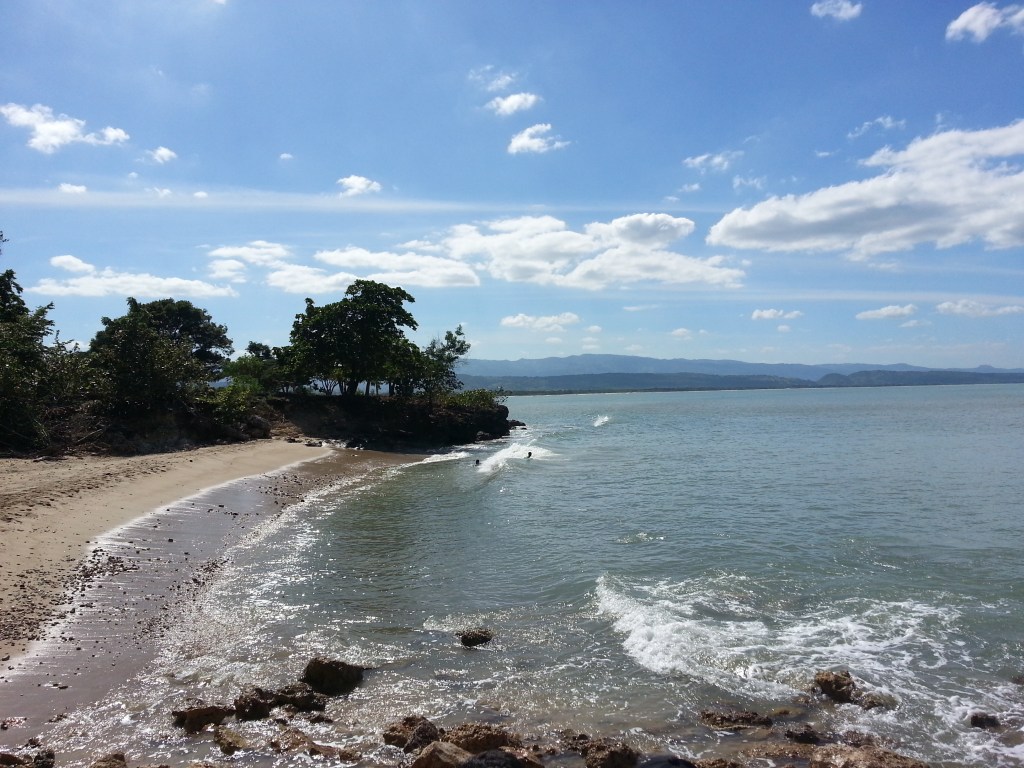
On his second voyage, which lasted from 1493 to 1496, he led a fleet of 17 ships carrying about 1,500 men to Hispaniola. Whether women were on board is debated, but at least later women also lived in Isabela. Columbus landed on December 8, 1493, in a gentle bay in the north of the island and founded the settlement near a small river, the Bajabonico, which he named after Isabella I of Castile, the Spanish queen.
He had a stone house built for himself, and other stone structures followed, including a main square and a church. The first attempts were also made to extract the much sought-after metal.
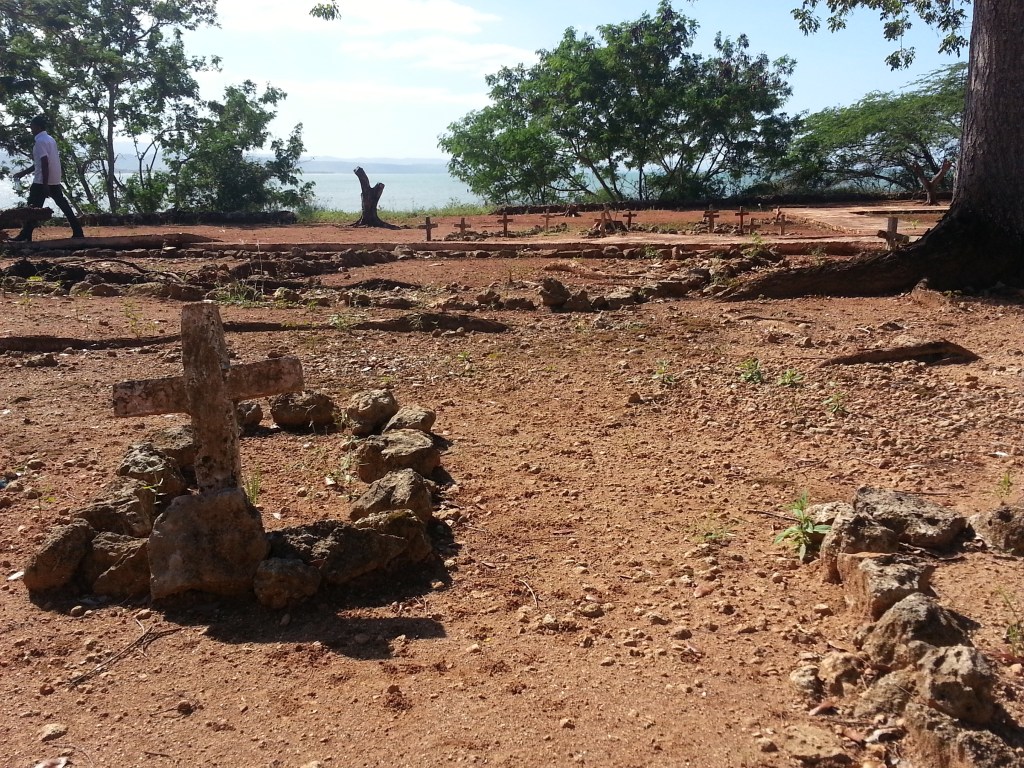
Despite the efforts, the Spanish inhabitants had soon to struggle with problems. There was a lack of food in the jungle-rich area and many Europeans became ill and died, mainly because of scurvy. On the cemetery of the church of La Isabela 48 people were found during excavations. Skeletal preservation varied and researchers could only find that at least 33 of the 48 people were men and three women. Children and adolescents were also among the dead and there was no one older than 50 years at the time of death. Among the 27 skeletons with sufficient preservation, 20 showed lesions caused by severe scurvy caused by vitamin C deficiency and widespread among seafarers before the 18th century. Scurvy is believed to have caused 80% of all deaths on long sea voyages in the 16th and 17th centuries. One of the found skeletons can be visited on the site today.
In addition to the health problems, Columbus also faced resistance from Spanish noblemen, who were opposed to a foreigner leading the colony. Armed conflicts arose with the initially peaceful Taíno people, who were enslaved and forced to pay taxes by the new arrivals.
Another devastating event befell the settlers when the first hurricane observed by Europeans hit in June 1495, destroying several ships in the port. The local Taíno retreated to the mountains during the storm, while the inexperienced Spaniards remained in the unprotected bay. Several of their ships were capsized and sunk by the waves, including the flagship, the Maria-Galante.
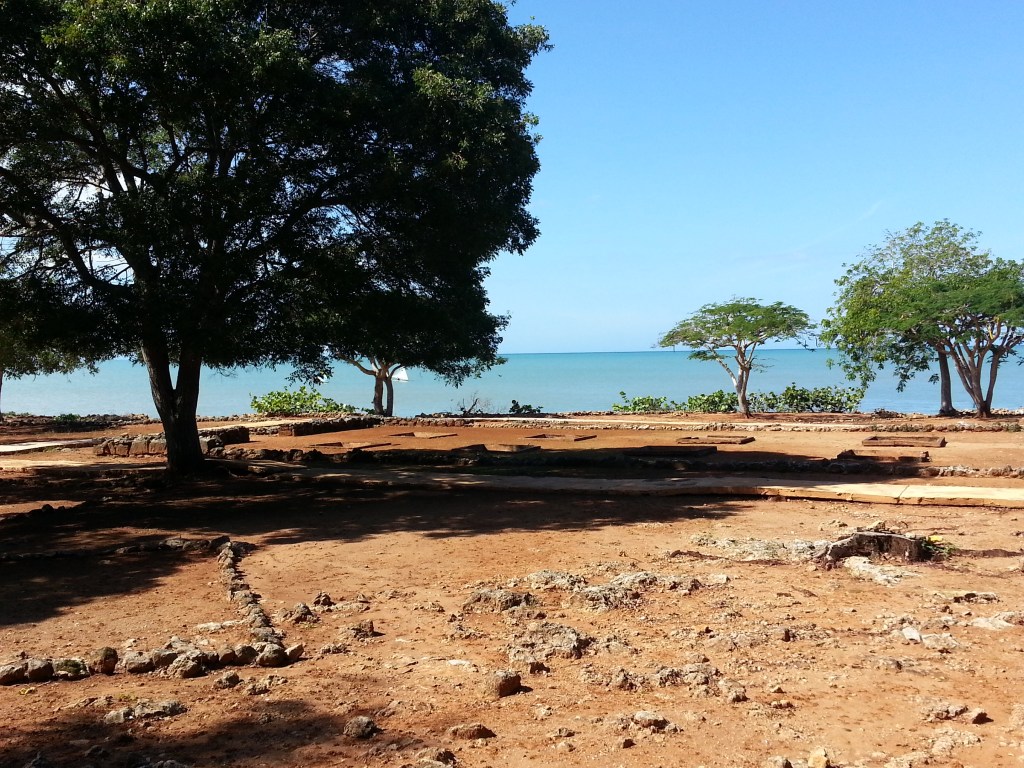
La Isabella was soon abandoned due to the problems and was already completely uninhabited in 1500. It was only rediscovered on the occasion of the four hundredth anniversary of the discovery of America under bushes and rocks. Excavations were carried out after the Second World War, but they caused more destruction than they contributed to the preservation of the ruins. The undergrowth was cleared without regard to the underlying ruins. Many of the remaining structures were damaged or destroyed. Only between 1989 and 1999 did archaeologists from the Florida Museum of Natural History, under the direction of Kathleen Deagan and José M. Cruxent, collaborate with the Dirección Nacional de Parques de la República Dominicana and the Universidad Nacional e Experimental Francisco de Miranda in Venezuela excavate and study La Isabela.
The results of their work can be seen on-site in a small museum, even though it is decaying and has holes in the roof. The excavation site itself can also be visited, but there is no bridge to direct the large tourist flows from Punta Cana to Isabella.
The ruins are severely affected by erosion. The house Christopher Columbus built is falling bit by bit from the coastal cliff into the sea. An original colonial harbor structure was unprofessionally secured and is beginning to give way.
The first investigations of the wrecks, which were sunk by the hurricane, were carried out amateurishly and proved, one might say luckily, as difficult. Sedimentation from the river flowing into the bay and wave activity have considerably increased the level of the sea floor and covered them. It can be assumed, however, that the wrecks are buried under sediment and lie almost untouched in the bay. One might think that seven or eight Spanish wrecks, including Christopher Columbus’ flagship, would attract interested underwater archaeologists, but no serious project is planned yet.
The importance of the ruins and the ships is nevertheless obvious, whether for research or for tourism. It remains to be seen whether a real scientific study of the site will finally be carried out and invested in its preservation or whether renewed amateurish attempts to affect the site could further jeopardize it.
There are proposals to build a dam to prevent the washing out of the coast and the destruction of the house of Columbus. However, any diversion of currents in the bay should be extremely carefully examined as it could lead to erosion of the seabed at other locations and thus of the wrecks. If they were washed free and the sediment withdrawn, they could disappear in a very short time. Preservation and further investigation are urgently needed.
U.C. Ringuer
Sources
• Deagan K. 1996. Colonial transformation: Euro-American cultural genesis in the early Spanish-American colonies. Journal of Anthropological Research 52(2):135-160.
• Deagan K, and Cruxent JM. 2002. Columbus’s Outpost Among the Tainos: Spain and America at La Isabela, 1493-1498. New Haven: Yale University Press.
• Deagan K, and Cruxent JM. 2002. Archaeology at La Isabela, America’s First European Town. New Haven: Yale University Press.
• Laffoon JE, Hoogland MLP, Davies GR, and Hofman CL. 2016. Human dietary assessment in the Pre-colonial Lesser Antilles: New stable isotope evidence from Lavoutte, Saint Lucia. Journal of Archaeological Science: Reports 5:168-180.
• Thibodeau AM, Killick DJ, Ruiz J, Chesley JT, Deagan K, Cruxent JM, and Lyman W. 2007. The strange case of the earliest silver extraction by European colonists in the New World. Proceedings of the National Academy of Sciences 104(9):3663-3666.
• Tiesler V, Coppa A, Zabala P, and Cucina A. 2016. Scurvy-related Morbidity and Death among Christopher Columbus’ Crew at La Isabela, the First European Town in the New World (1494–1498): An Assessment of the Skeletal and Historical Information. International Journal of Osteoarchaeology26(2):191-202.
• Ting C, Neyt B, Ulloa Hung J, Hofman C, and Degryse P. 2016. The production of pre-Colonial ceramics in northwestern Hispaniola: A technological study of Meillacoid and Chicoid ceramics from La Luperona and El Flaco, Dominican Republic. Journal of Archaeological Science: Reports 6:376-385.
• VanderVeen JM. 2003. Review of Archaeology at La Isabela: America’s First European Town, and Columbus’s Outpost among the Taino: Spain and America at La Isabela, 1494-1498. Latin American Antiquity 14(4):504-506.
• K. Kris Hirst , 2018, La Isabela, Columbus’s First Colony in the Americas, https://www.thoughtco.com/la-isabela-columbus-first-colony-171383
 Archaeology Mysteries
Leave a comment